Restoration Program Overview
A demonstration-scale effort led by EutroPHIX in partnership with the Florida Department of Environmental Protection to reduce internal phosphorus loading in Lake Okeechobee.
What will happen on the water
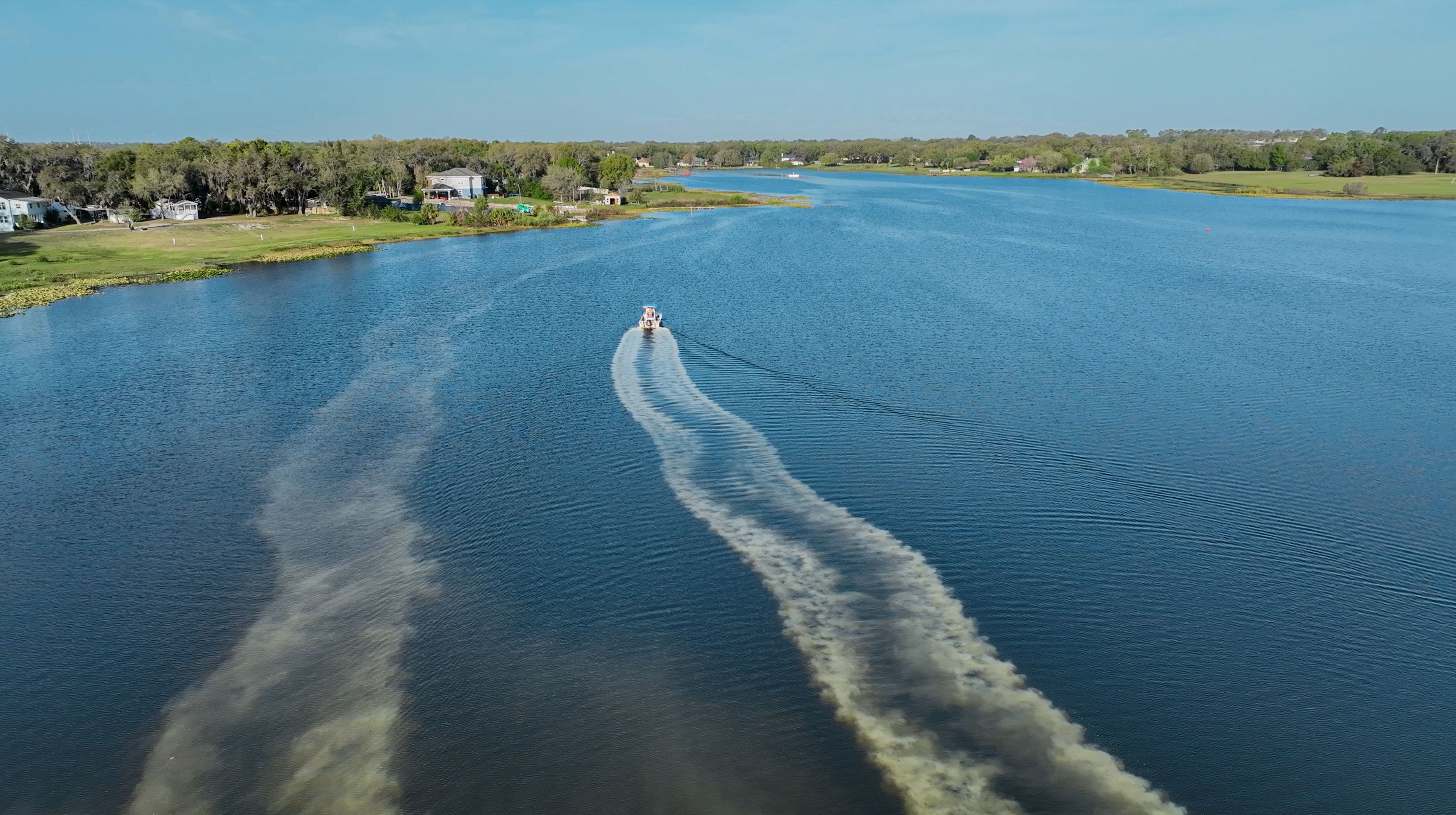
During scheduled work windows, crews will apply a water-based slurry from vessels across a defined treatment area. The material is designed to permanently bind phosphorus in the top layer of the sediments, preventing it from releasing into the water column and degrading water quality.
The initial demonstration area is approximately 1,000 acres. Work occurs during daylight hours and pauses for weather or wildlife protections.
- Targeted application from boats (no shoreline dumping)
- Temporary work zones near active vessels only
- Public updates and monitoring summaries
How the treatment works
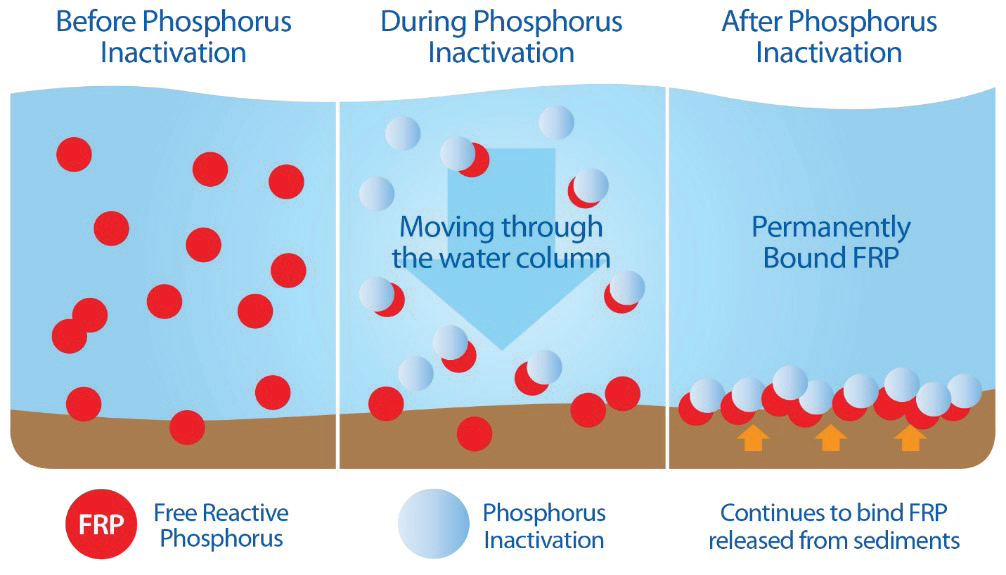
The project uses phosphorus-binding technology to reduce the amount of legacy and bioavailable phosphorus in the sediments of the lake. Technical detail is available, but the core idea is simple: bind it, lock it up, measure the change.
Goal
Demonstrate a cost-effective, scalable way to reduce internal phosphorus loading in legacy-rich sediments—one of the drivers of harmful algal blooms.
What’s being used
EutroSORB® phosphorus-binding technology (granular and liquid formulations) that form stable mineral complexes with phosphorus, eliminating bioavailability.
What we expect to learn
- How quickly phosphorus availability changes in treated sediments
- Whether water-quality indicators improve compared to control sites
- What conditions best predict success at larger scale
Where work happens and when
Work is scheduled during daylight hours and is weather-dependent. Monitoring runs for 36 months from the start of treatment.
Location
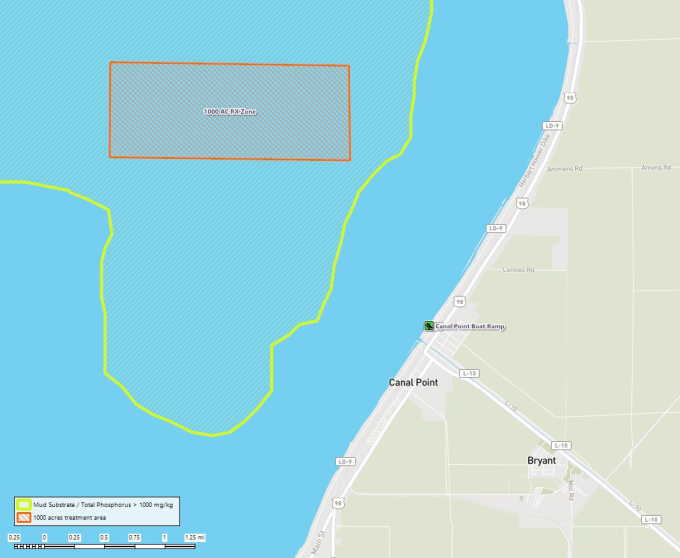
Staging and boat ramp operations occur at the Canal Point Dock and Recreation Area (Canal Point Boat Ramp) in Palm Beach County (U.S. Army Corps of Engineers property).
Treatment Area 1 is a 1,000-acre zone approximately 2 miles offshore from the eastern shoreline in a high-phosphorus mud-bottom area.
Schedule & duration
- Project duration: 2026–2028 (36 months total)
- Preparation/permitting: ~6–8 weeks after contract award
- Year 1 field application window: Spring–Fall 2026 (estimated 4–30 weeks)
- Ongoing monitoring: quarterly through 36 months
- Future phases: Additional treatment areas may be added if funding is available
Safety and environmental protection come first
Operations follow permits, coordination requirements, and a field safety plan. Work pauses for unsafe weather and wildlife protections.
Potential hazards
- Material exposure: possible irritation if dust becomes airborne (granular) or with direct skin/eye contact (liquid)
- Operational risks: heavy equipment, forklifts, trucks, vessel traffic, heat/humidity, thunderstorms/lightning, high winds
- Wildlife: alligators, snakes, and protected species (including manatees)
- Public interface: temporary staging activity at a public boat ramp and marked on-water work zones
How risks are managed
- PPE, daily safety briefings, and stop-work authority
- Spill kits, secondary containment, and immediate cleanup protocols
- Fencing/signage at staging so the public can safely access the area
- No-go criteria: lightning, high winds, heavy rain, extreme heat index, or protected species observations
- Wildlife protection practices and coordination with relevant agencies
- Monitoring to confirm no adverse effects to water quality or aquatic life
Public use: The lake will remain open except for small, temporary safety zones around active vessels.
How we measure outcomes—and share results
The project includes sediment and water-quality sampling at treated and control locations. Summaries are intended to be posted for public review.
What’s monitored
Monitoring focuses on sediment phosphorus availability and key water-quality indicators that relate to algal bloom risk. Sampling occurs at treated sites and comparable control sites.
What “success” looks like
- Lower bioavailable phosphorus in surficial sediments compared to baseline and control sites
- Improvement in supporting water-quality indicators
- No unacceptable impacts to aquatic life, recreation, or water chemistry
- Clear, data-backed guidance on whether scaling is warranted
Common questions
Will this affect fishing or boating?
No. However, please avoid the small areas around active operations and application vessels.
Is the water safe for recreation during and after treatment?
Yes. Outside of small on-water safety zones during active operations, the lake remains open and usable. Safety zones are established to avoid any harm that may occur due to contact with the vessel.
What is being applied?
EutroSORB® phosphorus-binding products (lanthanum-modified bentonite and liquid formulations). They bind phosphorus into stable mineral complexes, reducing availability to algae.
How long does the project last?
The demonstration spans 2026–2028, with monitoring planned through 36 months from the start of treatment.
Send a message to the project team
Use the form below to submit questions, comments, or concerns.